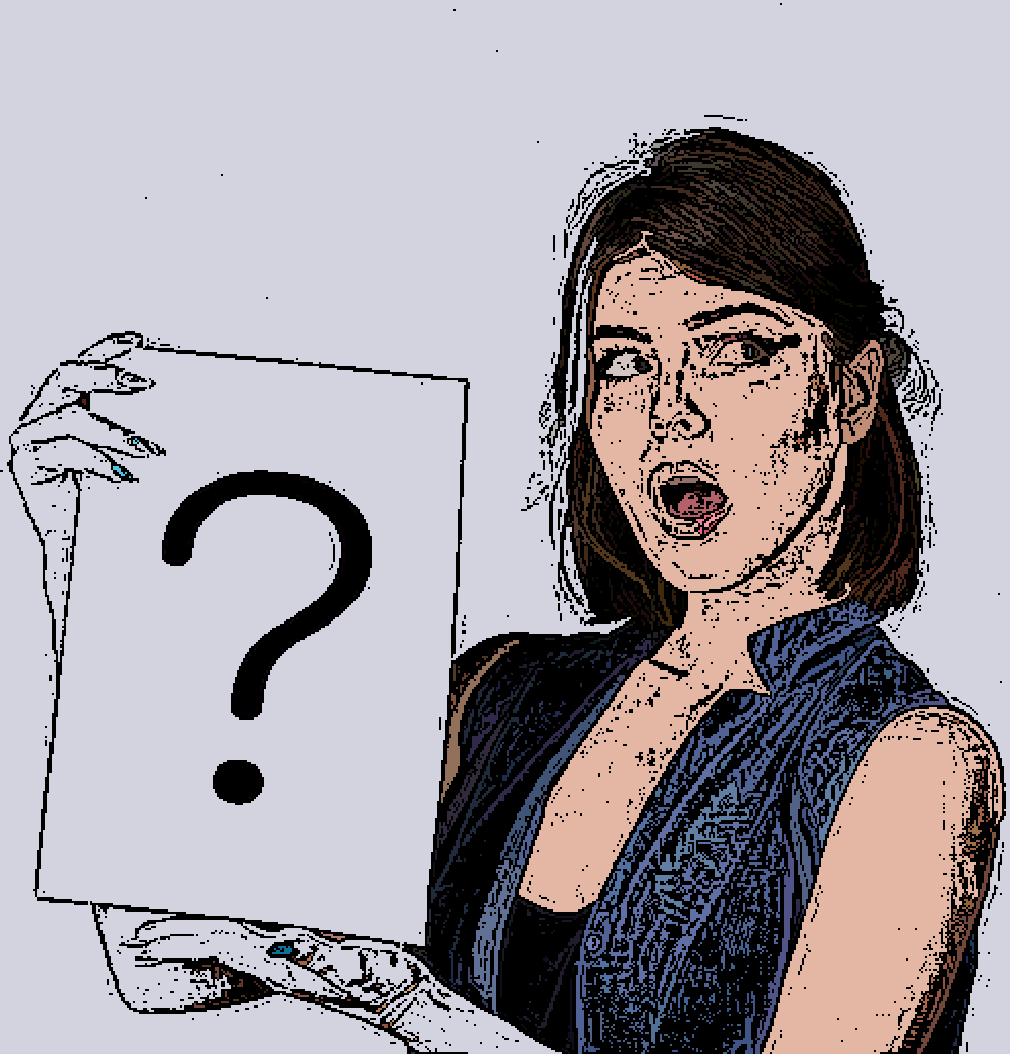
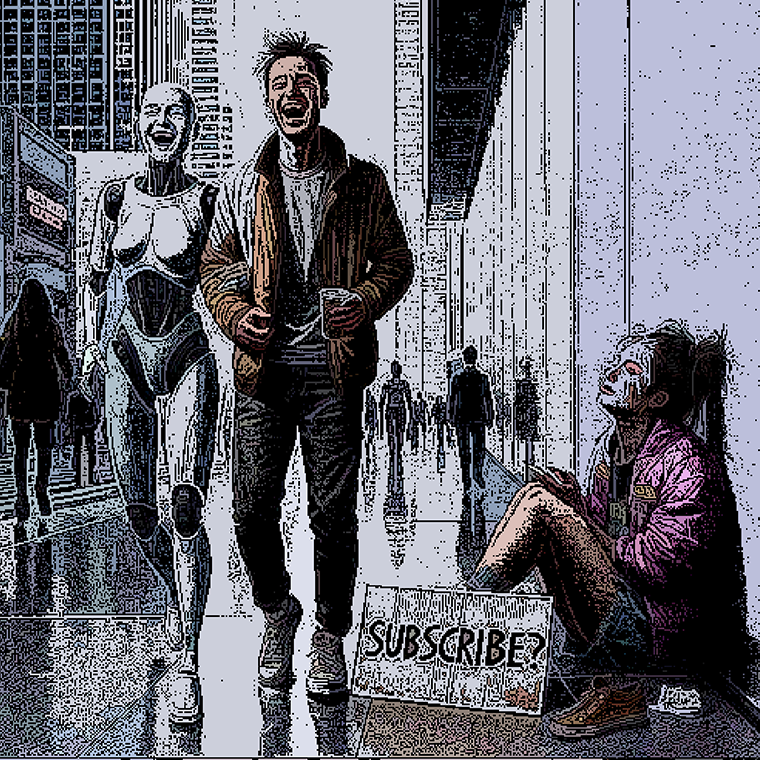
So YouTube, after years of experimenting with “smart” algorithms, has finally realized that artificial intelligence is not always so intelligent. It turns out that distinguishing sarcasm from hate, and art from “unacceptable content” is not a task for soulless machines. That’s why, with great pomp, YouTube announced the return of “human” moderation.
Starting March 10, videos that automatically receive a “yellow dollar” – a mark of limited monetization – will undergo an additional check. Now, instead of algorithms, live people are involved. Within 24 hours, a live moderator will evaluate the context of the video and make a judgment.
This change is in response to numerous complaints from content creators whose videos often mistakenly received a “yellow dollar” due to the automated moderation system. The algorithms, while effective at identifying obviously inappropriate content, often fail to take into account the context, sarcasm, or artistic value of the video.
Now, when your “yellow dollar” labeled masterpiece falls into the clutches of algorithms, it will be submitted to a “live” human for review. Oh, joy! Now you have a chance that your video about the “cruel” world of kitties will finally get a fair assessment.
Of course, do not expect that this innovation will instantly turn YouTube into a paradise for creators. After all, as we know, “people” can also make mistakes, and sometimes even have their own biases. But at least now you have a chance to appeal the decision by filing an appeal. Who knows, maybe your video about your “unacceptable” love of broccoli will finally get the monetization it deserves.
But, let’s not be naive. It begs the question: just how many “Indians” will YouTube have to hire to handle this flood of moderation? And won’t this become a new form of censorship, where “live” moderators will be guided by their own biases? Wouldn’t it lead to longer waiting times for monetization decisions?
However, let’s not be pessimistic. Perhaps this is the first step towards a fairer moderation system, where content creators will be able to freely express their thoughts without fear of the “yellow dollar”. And the algorithms… well, they can always find other work, like writing poetry or composing music. And maybe that will finally make monetization on YouTube more stable and predictable.
Recommendations on how to avoid video monetization problems:
- Follow YouTube’s community guidelines: Read the guidelines carefully and follow them.
- Avoid using copyrighted material: Do not use music, videos or images to which you do not own the rights.
- Be wary of content that may be considered inappropriate: Avoid topics related to violence, hate, discrimination, sexually explicit content, or harmful activities.
- Provide context: If your content may be perceived ambiguously, provide enough context to explain its purpose and meaning.
- Be honest and transparent: Do not mislead viewers or use clickbait titles or thumbnails.
- Use only material that has been specifically prepared for commercial use: Use music, photos and videos with a Creative Commons license.
- Keep up to date with YouTube’s rules: Rules can change, so it’s important to stay up to date.